
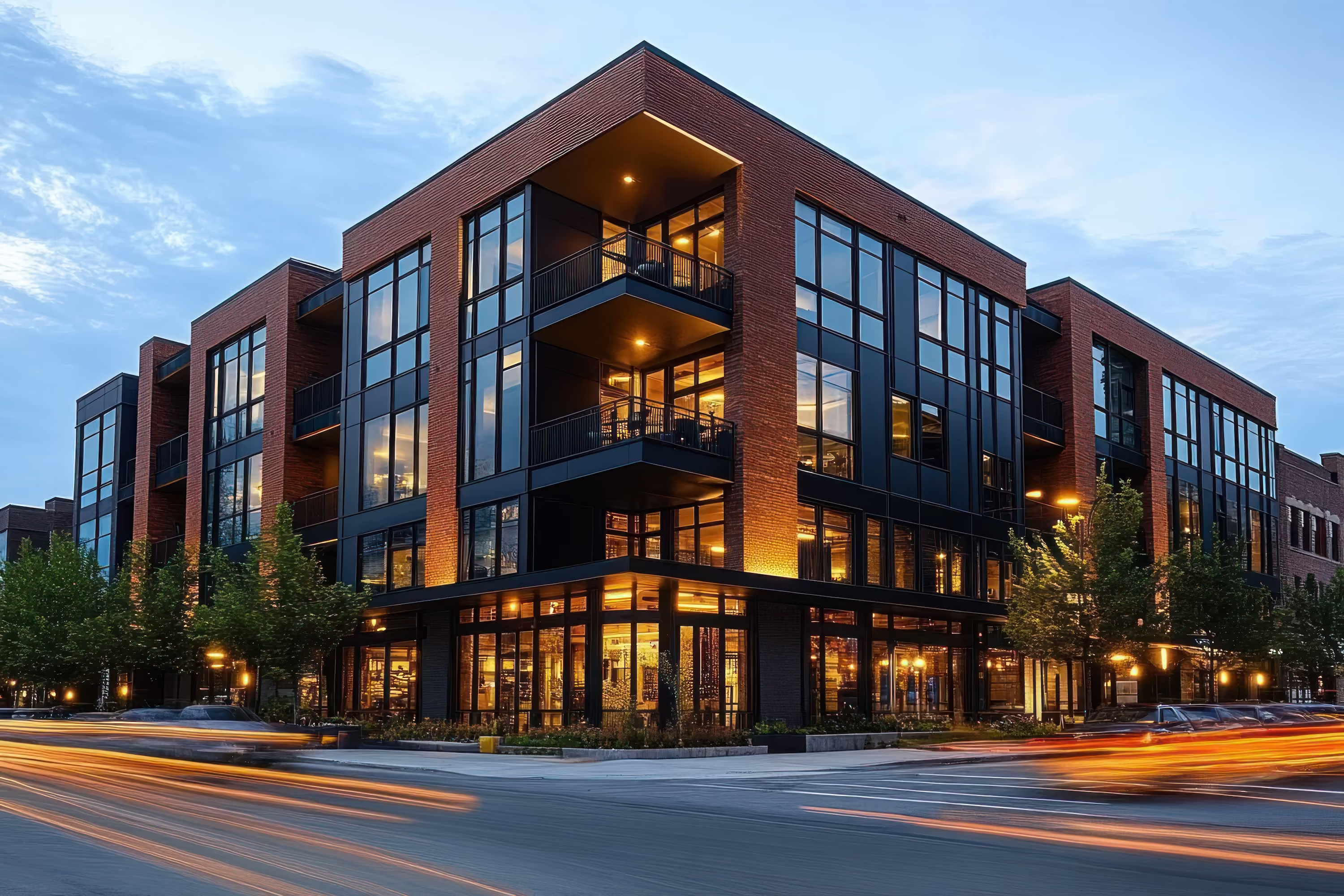
Mixed-Use

Mixed-use financing is driven less by property type and more by how different income streams interact under stress.
read more

We arrange loans for projects that integrate multiple property types, such as residential, retail, office, and entertainment components.

Mixed-Use Property Loans – Key Considerations

Income Composition and Use Allocation

Lenders analyze how income is split between residential, retail, office, or other uses. Financing terms are often driven by the dominant income component, and certain lender programs impose limits on non-residential square footage.

Exit Strategy and Capital Stack Flexibility

Because mixed-use properties appeal to a narrower buyer pool, lenders evaluate refinance and sale exit strategies carefully. Loan structures must align with realistic long-term hold or disposition plans.

Property Management Complexity

Mixed-use assets require experienced management capable of handling multiple tenant types, operating schedules, and maintenance needs. Lenders favor borrowers with demonstrated mixed-use or multi-asset management experience.

FAQ

Frequently Asked Questions Regarding Mixed-Use Property Loans

Are mixed-use properties harder to finance than single-use assets?

Generally, yes. Mixed-use properties involve layered risk and more complex underwriting. Strong performance across all uses and experienced ownership can significantly improve financing options.

How does the income mix affect loan terms?

Loan terms are typically based on the largest income-producing use. For example, properties with a majority of residential income may qualify for more favorable terms than those dominated by retail or office space.

Are there limits on commercial space in mixed-use loans?

Many lenders impose limits on the percentage of non-residential square footage or income. Properties exceeding these thresholds may require specialized lenders or alternative loan structures.

Do mixed-use loans require higher reserves?

Often, yes. Lenders may require reserves for tenant improvements, leasing costs, capital expenditures, or operating shortfalls due to the complexity of managing multiple uses.

How do mixed-use commercial loans work?

Mixed-use commercial loans finance properties with two or more distinct uses, such as residential and retail. Lenders underwrite these loans by evaluating each income stream separately and collectively, with terms often driven by the dominant use.

I'm interested in exploring financing options for a Mixed-Use property.