
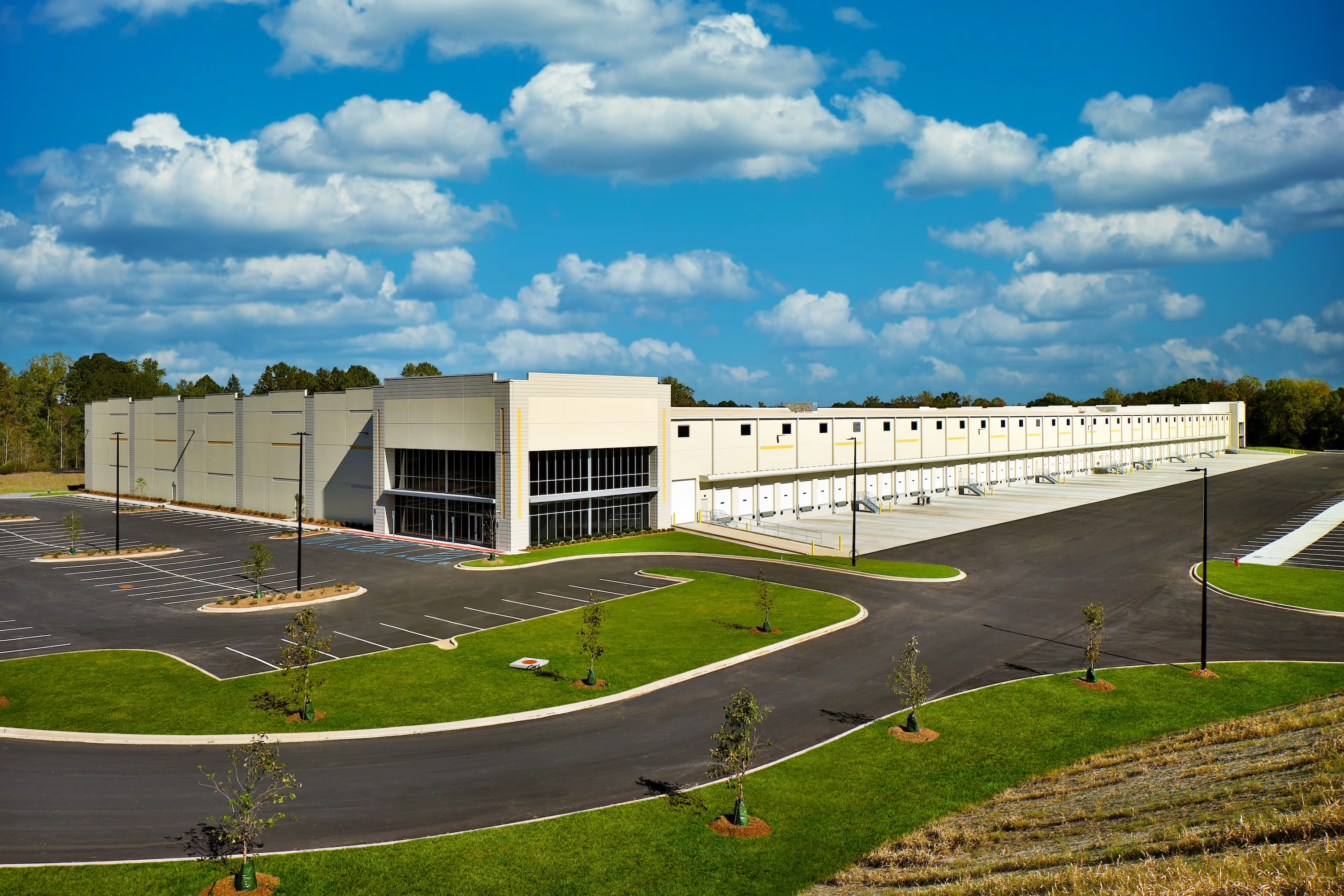
Industrial

Industrial property financing is driven by tenant credit, lease term, and functional utility of the asset.
read more

We arrange loans for warehouses, distribution centers, manufacturing and cold storage facilities, and logistics or industrial parks.

Industrial Property Loans – Key Considerations

Property Functionality and Use Case

Lenders evaluate how the property is used—such as warehouse, distribution, manufacturing, or flex space. Ceiling height, loading configuration, truck access, and yard space all affect marketability and financing options.

Location and Logistics Access

Proximity to highways, ports, rail, and population centers is a key underwriting factor. Properties serving regional or last-mile distribution functions are generally viewed more favorably.

Specialized Build-Out and Re-Tenanting Risk

Highly specialized improvements may limit future tenant demand. Lenders assess how easily the property could be re-leased if the current tenant vacates.

FAQ

Frequently Asked Questions Regarding Industrial Property Loans

How does lease term impact industrial loan proceeds?

Lenders size industrial loans heavily around remaining lease term. Properties with shorter remaining terms may be underwritten to stressed rents or reduced cash flow, which can lower proceeds even if the property is currently leased.

How do lenders underwrite single-tenant industrial risk?

Single-tenant industrial properties are underwritten primarily on tenant credit, lease structure, and re-tenanting potential. If the tenant vacates, lenders evaluate how quickly the property could be released and at what cost.

Do lenders treat manufacturing facilities differently than warehouses?

Yes. Manufacturing facilities often involve specialized improvements, power requirements, or layouts that limit reusability. Lenders typically apply more conservative underwriting to these properties compared to general warehouse or distribution assets.

How do lenders view industrial properties in secondary markets?

Industrial properties in secondary markets can be financed, but lenders may apply lower leverage or require stronger tenant credit and borrower experience to offset reduced liquidity.

Can industrial loans be underwritten on in-place rent above market?

Generally no. Lenders typically underwrite to market rent or apply haircuts if in-place rents exceed market levels, especially when leases are nearing expiration.

I'm interested in exploring financing options for an Industrial property.